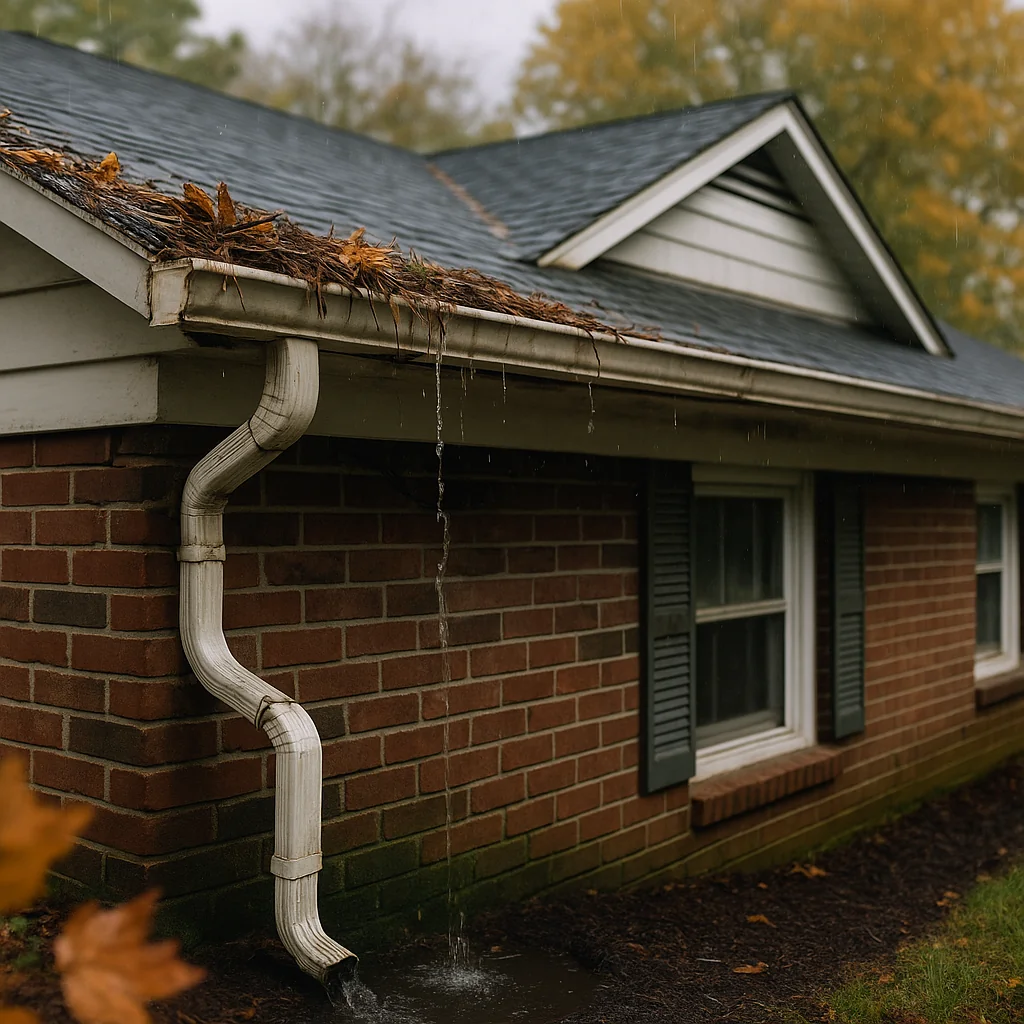
Homes in Greensboro, North Carolina, commonly face gutter issues like clogged gutters from fall leaves, sagging sections due to heavy summer thunderstorms, and leaks from prolonged exposure to humid subtropical weather. These problems lead to poor rainwater drainage, risking water damage to foundations, roofs, and exteriors. Prompt gutter repair addresses these concerns, ensuring effective storm drainage and protecting your property from moisture buildup.
Understanding Common Causes of Gutter Damage
Greensboro’s climate plays a significant role in gutter wear. With average annual rainfall exceeding 45 inches, concentrated in sudden downpours and seasonal storms, gutters endure constant stress from roof runoff. Debris from surrounding oak and pine trees clogs channels, while thermal expansion in hot summers causes seams to separate.
Other culprits include improper installation, where gutters aren’t securely fastened to fascia boards, leading to sagging. Aging materials, especially aluminum or vinyl exposed to Piedmont winds, corrode over time. Homeowners often overlook how ice dams in rare winter freezes exacerbate cracks, though summer humidity fosters algae growth that erodes gutter walls.
Key Warning Signs Your Gutters Need Attention
Spotting issues early prevents costly repairs. Look for overflowing gutters during rain, indicating clogs that force water to spill over sides, eroding landscapes and soaking siding. Sagging gutters pull away from the roofline, a sign of loose brackets or excess weight from debris.
Leaking gutters manifest as water stains on fascia or soffits, or damp spots inside the home near eaves. Plants sprouting in gutters signal neglected maintenance, while peeling paint below points to hidden overflows damaging exterior protection. In Greensboro neighborhoods, these signs intensify after Hurricane remnants or nor’easters bring torrential rain.
Visual Inspection Checklist
- Check for rust or corrosion on metal gutters
- Examine downspouts for dents or blockages
- Look for gaps at gutter-to-roof connections
- Inspect ground for pooling water from poor drainage
- Probe gutters for soft spots indicating rot
Seasonal Gutter Challenges in Greensboro
Spring brings pollen and budding seeds that clog systems, while summer thunderstorms—common in the Triad—test storm drainage capacity. Fall leaf drop overwhelms gutters, causing overflows that threaten foundation protection. Winters, though mild, see occasional freezes expanding cracks.
Local storms like those from Tropical Storm remnants amplify risks. For instance, heavy rain in areas like High Point mirrors Greensboro patterns, where rapid runoff overwhelms undersized gutters.
How Clogged Gutters Harm Your Home’s Foundation
Clogged gutters redirect rainwater from downspouts, pooling it near foundations. In Greensboro’s clay-heavy soils, this saturation causes shifting and cracking, leading to structural issues costing thousands. Water seeps into basements, fostering mold and undermining crawl spaces.
Unchecked overflows erode soil around footings, while fascia repair becomes necessary as wood rots from constant moisture. Proactive gutter unclogging prevents these chain reactions, safeguarding your investment.
Repair vs. Replacement: Making the Right Choice
Not every issue demands full replacement. Minor leaks or loose sections benefit from targeted gutter leak repair, often completed in a day. However, widespread corrosion or multiple sags signal it’s time for new systems like seamless gutters.
| Issue | Repair | Replacement | Cost Factor |
|---|---|---|---|
| Leaking seams | Sealant or patches | New sections if extensive | Low for repair |
| Sagging gutters | New hangers/brackets | Full run if deformed | Moderate |
| Clogs/debris | Cleaning/flushing | Gutter guards addition | Low |
| Corroded material | N/A | Seamless aluminum | High |
| Downspout damage | Section replacement | Full system upgrade | Variable |
This comparison highlights when to opt for fixes versus overhauls, considering Greensboro’s frequent rains.
Preventative Maintenance for Long-Lasting Gutters
Regular gutter cleaning twice yearly—spring and fall—keeps systems flowing. Install gutter guards to block leaves while allowing water passage. Ensure downspouts extend 5-10 feet from foundations via extensions or splash blocks for optimal rainwater drainage.
Trim overhanging branches to reduce debris. Annually check and tighten brackets, especially after storms. For properties in nearby Oak Ridge or Jamestown, similar routines apply amid shared weather patterns.
Storm Drainage and Emergency Considerations
Greensboro’s vulnerability to flash floods from stalled fronts demands robust roof drainage. During heavy events, overflowing gutters accelerate water damage prevention needs. Schedule emergency gutter repair post-storm to mitigate secondary damage like soffit repair.
Upgrade to larger downspouts or seamless gutters for better capacity. These steps enhance exterior water protection against Piedmont deluges.
Benefits of Investing in Seamless Gutter Systems
Seamless gutters, custom-formed on-site, minimize leak points compared to sectional units. In Greensboro’s humid climate, they resist expansion cracks and algae better. Paired with proper slope, they excel in storm drainage, directing runoff efficiently and reducing fascia strain.
Homeowners report fewer clogs and longer lifespans, justifying the investment for peace of mind.
Leave a Reply